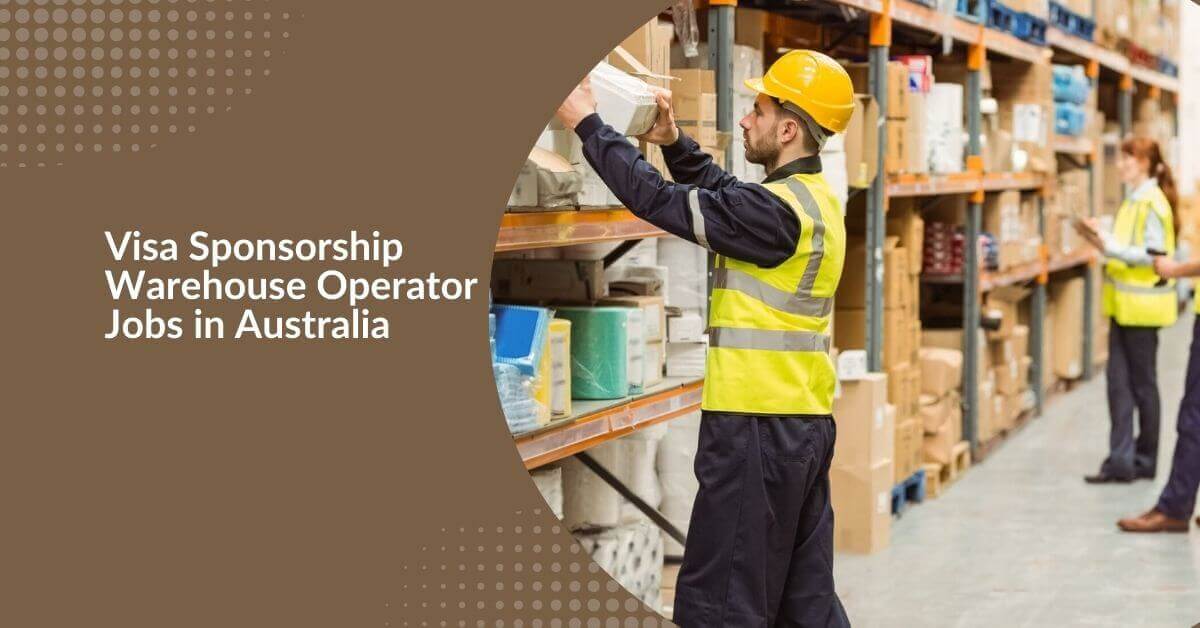
Explore Visa Sponsorship Warehouse Operator Jobs in Australia 2026 and kickstart your career in logistics and supply chain management. These positions offer foreign workers the opportunity to work in Australia with full visa sponsorship, competitive salaries, and career growth prospects. Warehouse operators in Australia are responsible for tasks such as inventory management, order fulfillment, and operating forklifts or other warehouse equipment.
The typical salary for visa-sponsored warehouse operators ranges from AUD 50,000 to AUD 65,000 per year, depending on experience and location. Employees also enjoy benefits such as paid leave, training opportunities, and the chance to advance into supervisory or logistics coordinator roles, making these jobs highly attractive for international candidates seeking stable employment in Australia.
Why Australia Needs Warehouse Operators
Australia’s warehousing and logistics sector is expanding due to:
- Growth of e-commerce and retail distribution
- Increased demand for import and export handling
- Labor shortages in regional distribution centers
- Expansion of cold storage, FMCG, and manufacturing hubs
According to Australian labor market data, logistics and warehousing roles are among the top 15 in-demand occupations, especially in New South Wales, Victoria, Queensland, and regional areas.
Warehouse Operator Job Details in Australia
Key Job Information
- Job Title: Warehouse Operator
- Country: Australia
- Education Required: High School Diploma or GED
- Experience: 2–3 years preferred
- Visa Sponsorship: Yes
- Industry: Logistics, Supply Chain, Warehousing
What Does a Warehouse Operator Do?
Warehouse operators handle the daily movement, storage, and dispatch of goods inside distribution centers.
Core Responsibilities
- Receiving and checking incoming stock
- Inspecting goods for damage or shortages
- Recording inventory using warehouse management systems (WMS)
- Operating forklifts, pallet jacks, and hand carts
- Picking, packing, labeling, and preparing orders
- Loading and unloading delivery vehicles
- Maintaining safety standards and clean workstations
Entities covered: forklifts, pallet jacks, WMS software, distribution centers, inventory control, preventive maintenance.
Salary of Warehouse Operator Jobs in Australia
Warehouse salaries vary by location, experience, and shift type.
Salary Overview
- Average Annual Salary: AUD 50,000 – AUD 65,000
- Hourly Rate: Around AUD 32.50 per hour
- Entry-Level Range: AUD 47,128 per year
- Higher Earnings: Overtime, night shifts, weekend allowances
In our experience, operators working in Sydney western suburbs and Melbourne logistics hubs earn higher overtime-based income.
Job Requirements for Warehouse Operators
Minimum Eligibility Criteria
- High school diploma or GED
- Valid forklift license
- 2–3 years experience in a warehouse or distribution center
- Ability to lift and move heavy items
- Physical stamina for standing and repetitive tasks
- Basic English communication skills
- Familiarity with Microsoft Office and inventory software
Skills Employers Look For
For this physically demanding role, employers value:
- Fast and accurate work speed
- Team collaboration
- Strong hand-eye coordination
- Problem-solving skills
- Clear verbal communication
- Safety awareness
Visa Sponsorship Options for Warehouse Jobs in Australia
Employers sponsor foreign workers under approved visa programs when local labour is unavailable.
Common Sponsored Visas
- Temporary Skill Shortage (Subclass 482)
Allows work for an approved employer for up to four years. - Skilled Employer Sponsored Regional Visa (Subclass 494)
Designed for regional Australia with strong PR pathways. - Employer Nomination Scheme (Subclass 186)
Permanent residency option for employer-sponsored workers.
Benefits of Visa Sponsorship Warehouse Jobs
Key Benefits
- Employer-paid visa sponsorship
- Competitive salary with overtime pay
- Superannuation (retirement fund) contributions
- Paid annual leave and sick leave
- Strong workplace safety laws
- Health insurance or Medicare access
- Multicultural work environment
- On-the-job training and certifications
- Career progression to supervisor or logistics coordinato
Pathway to Permanent Residency
Many visa-sponsored warehouse jobs offer PR eligibility, especially under:
- Subclass 186 (Direct Entry)
- Subclass 494 to PR transition
- Regional employer sponsorship
Consistent employment, compliance, and English proficiency increase PR approval chances.
How to Apply for Visa Sponsorship Warehouse Operator Jobs
Step-by-Step Process
- Search trusted job portals:
- Seek.com.au
- Indeed Australia
- LinkedIn Jobs
- Company career pages
- Use keywords like:
- “Warehouse operator visa sponsorship Australia”
- “Forklift warehouse jobs Australia 2026”
- Prepare a clear CV:
- Forklift license details
- Warehouse experience
- Safety and inventory skills
- Apply online and attend interviews
- Receive job offer and employer nomination
- Start visa application with employer support
Is This Job a Good Career Choice in Australia?
Yes. Warehouse operator roles provide:
- Stable income
- Transferable skills
- Strong job demand
- Entry into logistics management
Many workers stay long-term and transition into supervisory, inventory control, or supply chain roles.
Conclusion
Visa sponsorship warehouse operator jobs in Australia in 2026 offer a realistic and legal pathway for foreign workers to enter a growing industry. With salaries up to AUD 65,000 per year, structured work schedules, strong labor protections, and PR options, these roles are ideal for candidates seeking long-term stability in Australia’s logistics sector.
Frequently Asked Questions
Can I get visa sponsorship for a warehouse operator job in Australia?
Yes. Many employers sponsor skilled warehouse operators under Subclass 482, 494, and 186 visas.
What qualifications are required?
A high school diploma, forklift license, warehouse experience, and physical fitness are commonly required.
Which industries hire warehouse operators?
Logistics, retail distribution, manufacturing, e-commerce, and cold storage facilities.